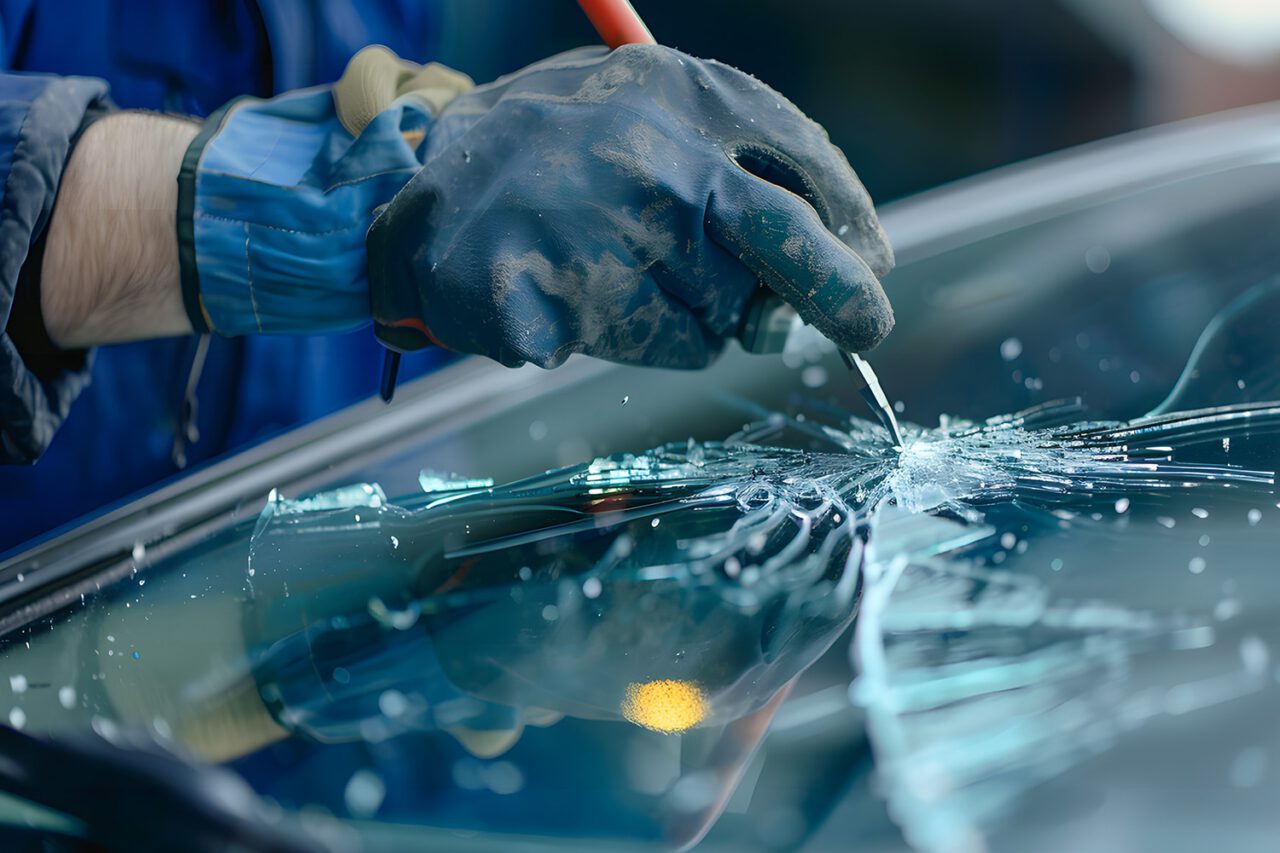
A stone striking your windshield may leave behind anything from a small surface chip to a crack that spreads across the glass. Although some damage may initially appear minor, changes in temperature, road vibration, moisture, and everyday driving can cause it to spread.
Recognizing the type of damage can help you understand what may be required, but every windshield should be professionally inspected before deciding whether it can be repaired or needs to be replaced.
At Haymack Glass, our certified journeymen assess the size, depth, position, and overall condition of the damage before recommending the appropriate service.
A crack is a line that extends through part of the windshield. Cracks should be assessed quickly because they can grow without warning and may affect visibility or the structural performance of the glass.
An edge crack begins near the outside perimeter of the windshield. Damage in this area can spread quickly because the edges of the glass are under considerable structural stress. Edge cracks frequently require windshield replacement, particularly when they extend into the visible portion of the glass.
A floater crack begins away from the edge of the windshield, usually toward the centre of the glass. Whether it can be repaired depends on its length, depth, position, and whether it has begun to spread.
A stress crack can appear without an obvious impact point. It may be caused by rapid temperature changes, pressure on the glass, body movement, or an installation-related issue. For example, applying very hot air to an extremely cold windshield can create sudden temperature differences across the glass. A technician should inspect this type of crack to identify the likely cause and determine the appropriate solution.
A long crack extends across a larger area of the windshield and is more likely to affect the strength and clarity of the glass. In most cases, extensive cracking requires windshield replacement rather than repair.
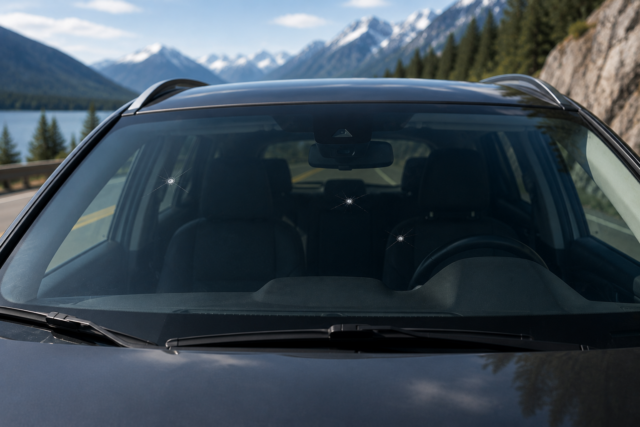
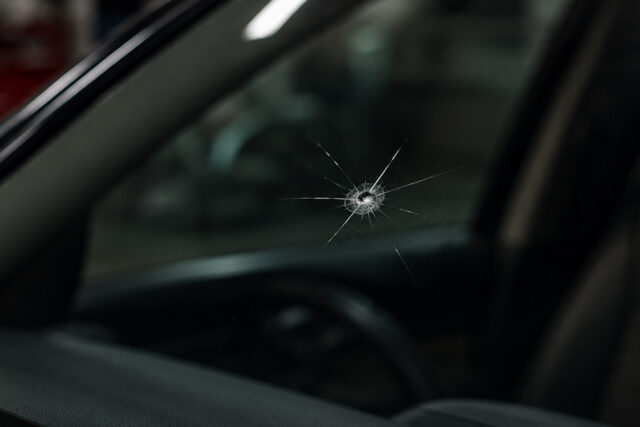
A professional repair may be possible when the damage:
Repairing a chip does not usually make the impact mark completely invisible. The objective is to restore strength to the damaged area, reduce its appearance, and help prevent it from spreading.
Replacement may be recommended when:
Modern windshields may also contain cameras and sensors used by advanced driver-assistance systems. When a windshield containing these components is replaced, the camera system may require professional ADAS calibration to ensure it continues operating correctly.
A small chip may remain stable for some time, but there is no reliable way to predict when it will begin spreading. Temperature fluctuations, potholes, road vibration, moisture, and additional impacts can all make existing damage worse.
Having the windshield inspected promptly can:
The correct solution depends on more than the visible size of the damage. Its depth, location, age, and proximity to the windshield edge must also be considered.
Haymack Glass provides professional windshield chip repair, windshield replacement, insurance-claim assistance, and ADAS camera calibration. Our team will inspect the damage and provide an honest recommendation based on the condition of your windshield and the safety of your vehicle.
With locations serving Burnaby, Langley, Squamish, and surrounding communities, Haymack Glass can help you address windshield damage before it becomes a larger problem.
Contact Haymack Glass to schedule an inspection or request an appointment.
Common types of windshield chips include edge cracks, floater cracks, stress cracks, and long cracks. Each type has different implications for repair or replacement.
You should consider repairing your windshield if the damage is small, contained, and does not obstruct your vision. A professional inspection is recommended to assess the damage.
Replacement may be necessary if the crack is extensive, reaches the edge, or interferes with visibility. Multiple chips or damage to the inner layer also warrant replacement.